Eat Well When Time’s Tight

Finnegan Flynn
| 25-06-2026

Eating well doesn’t need a perfect schedule or gourmet skills. With a few smart systems, nutritious meals fit into packed calendars without endless chopping or complicated recipes.
The key is planning tiny, repeatable moves: decide once, prep once, and eat well all week. These strategies cut decision fatigue, save money, and keep energy stable from morning to night.
Plan Ahead
Give meal choices a calendar, not a guess. Spend 15 minutes each week mapping five meals you can rotate. Use simple “anchors” like grain bowls, hearty salads, wraps, soups, and stir-fries. Jot a focused grocery list from that plan and shop once, so the fridge supports decisions already made.
Prep Basics
Batch-prep turns busy nights into quick assembly. Wash and dry leafy greens, slice sturdy vegetables, and roast a sheet pan of mixed produce. Cook a bowl of whole grains and a pan of lean protein, then portion them into containers. With building blocks ready, dinner becomes a five-minute mix-and-match routine.
The shocking reason scrolling in bed confuses your brain and ruins your rest!
Even "normal" readings can hide early artery damage—don't wait for dizziness to check!
Thumb pain when gripping? It might not be arthritis—here's what's really happening!
Does Bathing At Night Trigger Hidden Risks For Rheumatic Health? Find Out Now!
The "Dumb Money" Crypto Strategy That's Beating Wall Street Experts - And It's Not What You Think!
Think You Understand Crypto? These Risks Surprise Most Beginners
Whole Foods
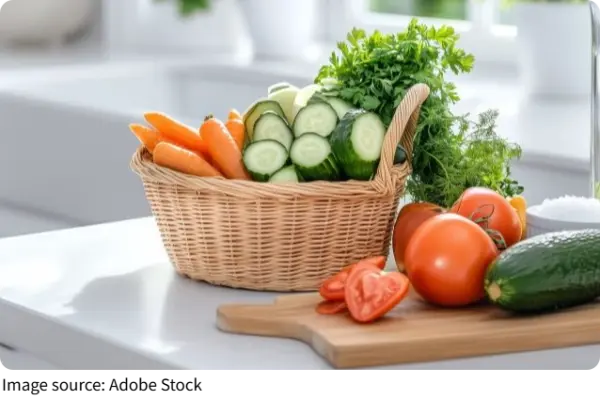
Stock real-food staples that are fast to use. Keep frozen vegetables, pre-washed salads, canned beans (rinsed to lower sodium), plain yogurt, hummus, eggs, and a few lean protein options. Choose whole grains like brown rice, oats, and quinoa for fiber and minerals. When buying packaged items, aim for short ingredient lists and at least 3 grams of fiber per serving.
Smart Snacks
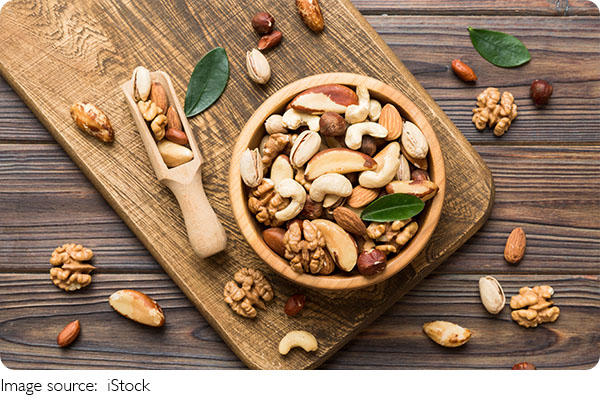
Snacks should bridge hunger and steady energy—pair produce or whole grains with protein or healthy calories. Think apple with nut butter, yogurt with berries, whole-grain crackers with hummus, or a small trail mix. Pre-portion snacks into bags or jars so portions don’t balloon. Keep a stash at work, in a backpack, and in the car.
Hydrate Well
Dehydration often masquerades as hunger and fatigue. Carry a reusable bottle and set two checkpoints: mid-morning and mid-afternoon. If plain water gets dull, infuse it with citrus, cucumber, mint, or berries. Begin the day with a full glass to set momentum, and keep sweetened drinks as rare treats rather than daily habits.
Simple Breakfasts
Morning meals work best when they’re prepped. Rotate overnight oats, chia pudding, or yogurt bowls topped with fruit and seeds. Smoothies can be balanced with leafy greens, frozen fruit, yogurt, and oats for fiber. Aim for a trio—protein, fiber, and healthy calories—so breakfast keeps you satisfied through the busiest hours.
Savvy Shortcuts
Convenience can be healthy with the right picks. Look for pre-cooked quinoa, microwaveable brown rice, pre-cut vegetables, and store-cooked poultry. Frozen fruits and vegetables are flash-frozen at peak ripeness and shave minutes off prep. When grabbing a quick meal out, choose options built around vegetables, lean protein, and whole grains, and ask for sauces or dressings on the side.
Cook Once
Double dinner and win tomorrow’s lunch. Prepare extra grains, roast two trays of vegetables, or make a big batch of soup. Turn leftovers into new meals: roasted vegetables become salad toppers, grain bowls transform into wraps, and chili becomes a baked potato filling. Invest in durable glass containers to reheat evenly and protect texture.
Eat Mindfully
Speed eating leads to overeating. Sit down, take five slow breaths, and put the phone out of reach. Aim to stop around “comfortably full,” not stuffed—hunger will return predictably at the next meal. Chew thoroughly, notice flavors, and give the brain time to register satisfaction.
Portion Clarity
Use simple visual cues: half the plate vegetables, a quarter whole grains or starchy sides, and a quarter protein, plus a small drizzle of healthy oil. This balanced template steadies blood sugar and curbs mid-afternoon slumps. If hunger lingers, add more vegetables first, then a bit of protein before increasing grains.
Label Smarts
When time forces packaged choices, scan the facts panel, not just front-of-pack claims. Prioritize fiber, watch sodium, and choose items with modest added sugars. Compare similar products and pick the one with the shortest ingredient list you can pronounce. Consistency with these small upgrades compounds into noticeable energy gains.
Progress, Not Perfection
Busy lives are unpredictable; rigid rules break quickly. Choose one focus per week—drinking more water, prepping two breakfasts, or packing three lunches—and stack wins. If a day goes off the rails, reset at the next meal without guilt. Momentum comes from repeatable habits, not flawless execution.
Conclusion
Healthy eating on a tight schedule is less about time and more about systems. Plan briefly, prep basics, prioritize whole foods, hydrate, and lean on smart shortcuts. Cook once to eat twice, slow down at meals, and measure progress in small, steady steps. What one habit will you set up today to make tomorrow’s eating easier and brighter?