Phang Nga Bay, Thailand
Chandan Singh
| 29-04-2026

A single longtail boat cuts a white line through dark water, the wake spreading in a perfect V behind it as the channel narrows between walls of vivid green mangrove.
Ahead, limestone peaks rise from the forest in shapes that look architectural rather than natural, their vertical faces catching the morning light while mist still sits between the trees at water level.
This is the Phang Nga Bay mangrove system in southern Thailand, and it is one of the most visually extraordinary river environments in Southeast Asia, sitting less than an hour from Phuket's busiest beaches while feeling entirely removed from them.
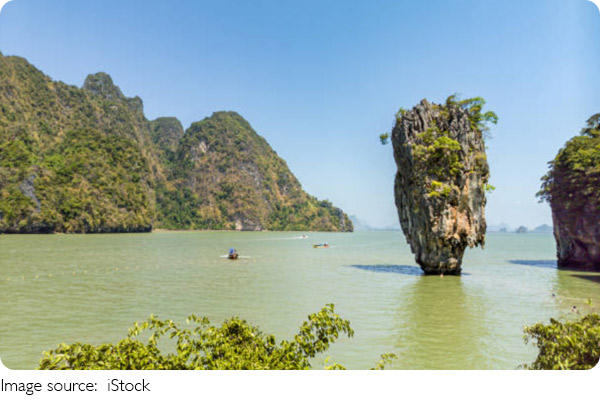
Phang Nga Bay covers approximately 400 square kilometers of shallow sea between Phuket and the Malay Peninsula, its surface scattered with over 40 limestone karst islands and threaded with tidal channels through one of Thailand's largest remaining mangrove forests. The mangrove system visible from above covers tens of thousands of hectares and supports extraordinary biodiversity while providing coastal protection for the communities built along its edges.
A crystal-clear Alpine lake framed by mountains and charming lakeside towns.
Escape to Paradise: Why This Hidden Austrian Gem is the Ultimate Fairytale Retreat!
Want peace of mind while traveling?
A timeless Tuscan city wrapped in walls, light, and quiet elegance
Discover the Hidden Gem of the Dolomites That Will Take Your Breath Away!
Stop Dreamng and Start Driving: Your Ultimate Guide to Italy’s Most Iconic Landscape!
Getting There
Phang Nga Bay is accessible from both Phuket and Krabi, with the town of Phang Nga serving as the primary mainland base for bay exploration.
From Phuket, the drive to Phang Nga town takes approximately one hour via the Sarasin Bridge connecting the island to the mainland, then north on Highway 4. Car rental from Phuket Airport starts from approximately $25 to $45 per day. Minibus transfers from Phuket to Phang Nga operate through guesthouses and tour operators for approximately $8 to $12 per person each way.
From Krabi, the drive to Phang Nga takes approximately 45 minutes. Most visitors access the bay through organized day tours departing from Phuket or Krabi, which handle all transportation and boat logistics. Day tours from Phuket cost approximately $25 to $50 per person depending on the itinerary and group size.
Phang Nga Bay
Key Experiences and Costs
Phang Nga Bay's primary attractions divide between the famous limestone island formations and the less-visited mangrove river channels that produce the landscape seen from above.
1. Mangrove kayak tours through the tidal channels are the most immersive way to experience the river system. Guided kayak tours departing from the Phang Nga Bay pier navigate through narrow mangrove tunnels accessible only by small paddle craft, with tour prices starting from approximately $30 to $45 per person for a three to four hour session including equipment and guide.
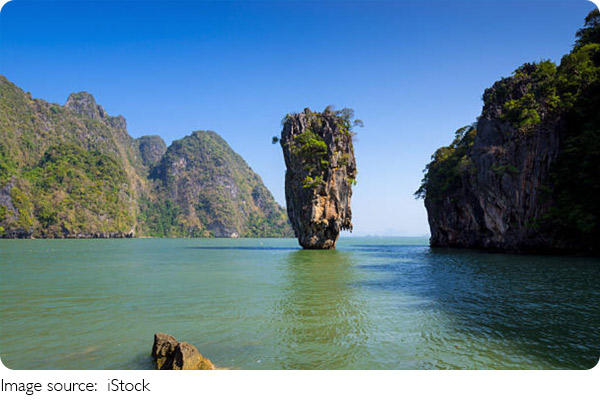
2. James Bond Island, officially named Khao Phing Kan, is the most visited single site in the bay, a limestone formation made famous by a 1974 film. Day boat tours from Phang Nga pier include this stop along with several sea caves and mangrove channels for approximately $20 to $35 per person.
3. Ko Panyi, a fishing village built entirely on stilts over the water, makes a natural stop on most bay tours and provides a genuine working community experience alongside the natural scenery. Entry is free and the village's waterfront restaurants serve fresh seafood directly from the bay.
4. Sunrise kayaking tours departing at 6 a.m. from Phang Nga pier navigate the mangrove channels in the golden morning light before any tour boats enter the bay, providing the atmospheric low-light conditions that the landscape deserves. These specialist tours cost approximately $45 to $60 per person.
Where to Stay
Most visitors to Phang Nga Bay stay in Phuket and join day tours, but staying in Phang Nga town itself provides earlier access to the bay and a more authentic experience of the region.
Phang Nga Inn in the town center offers clean guesthouse accommodation from approximately $25 to $40 per night, within walking distance of the pier and the local morning market. Khaolak Bayfront Resort, approximately 30 kilometers north of Phang Nga town on the Andaman coast, offers beachfront accommodation from approximately $80 to $130 per night with organized day trips to the bay available through the resort.
Phang Nga Bay rewards the visitor who approaches it slowly. The mangrove channels at dawn, before the tour boats arrive, deliver a quality of silence and visual drama that disappears by mid-morning. Book the earliest departure available, sit at the front of the kayak, and let the channel carry you into the forest.
The limestone peaks will be there in the background exactly where they always are, and the water will be as still and dark and reflective as it looks from above.